










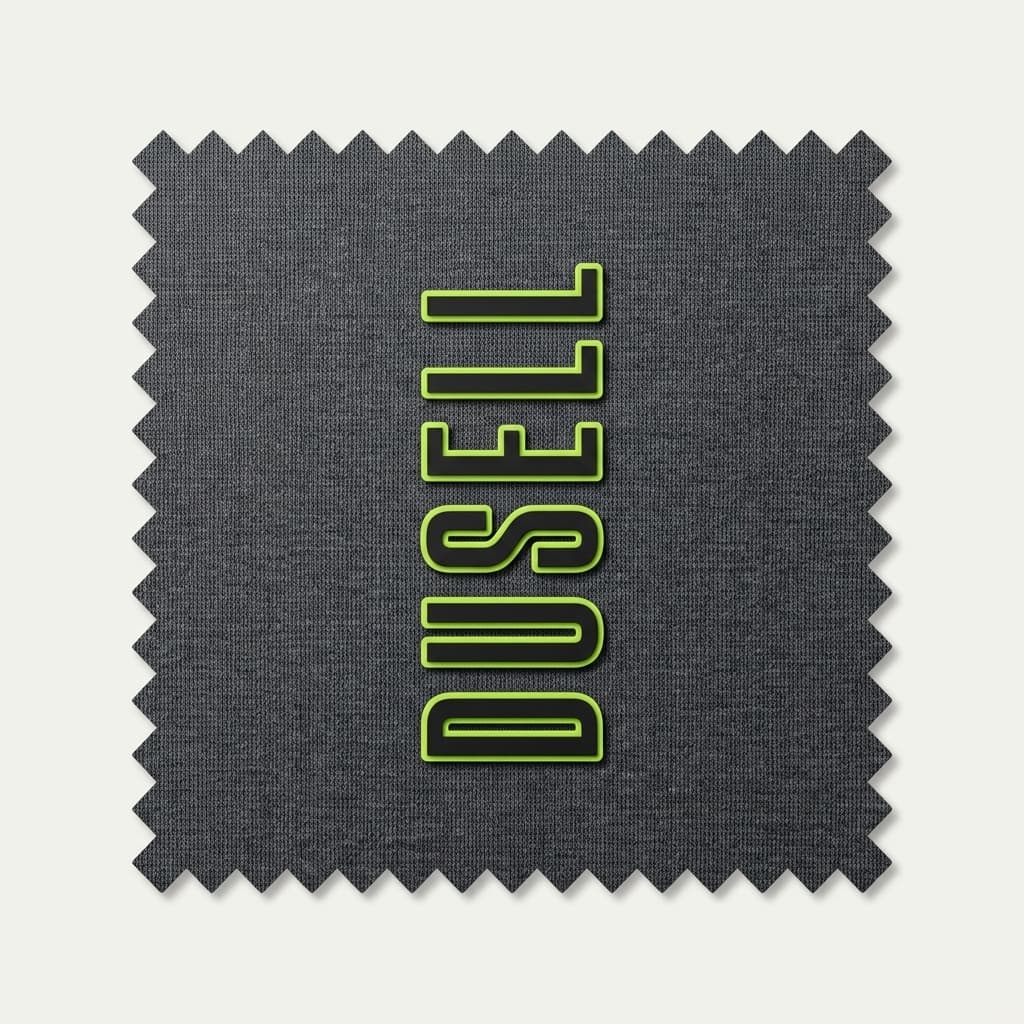
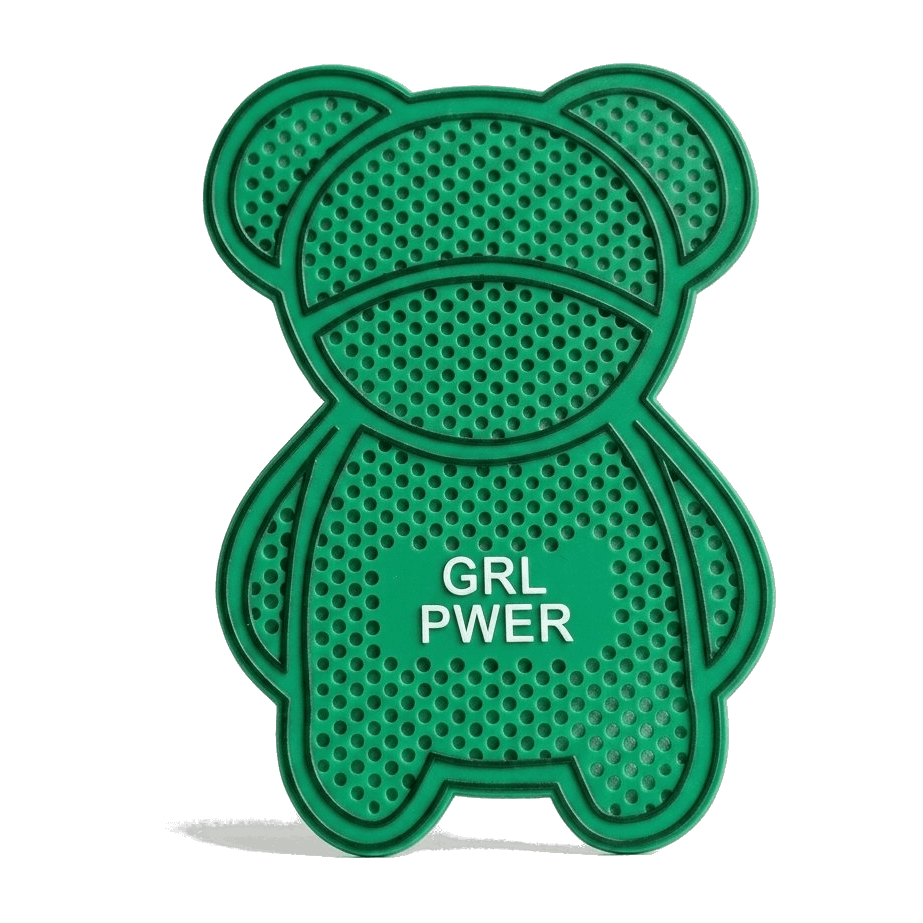
Silicon patches
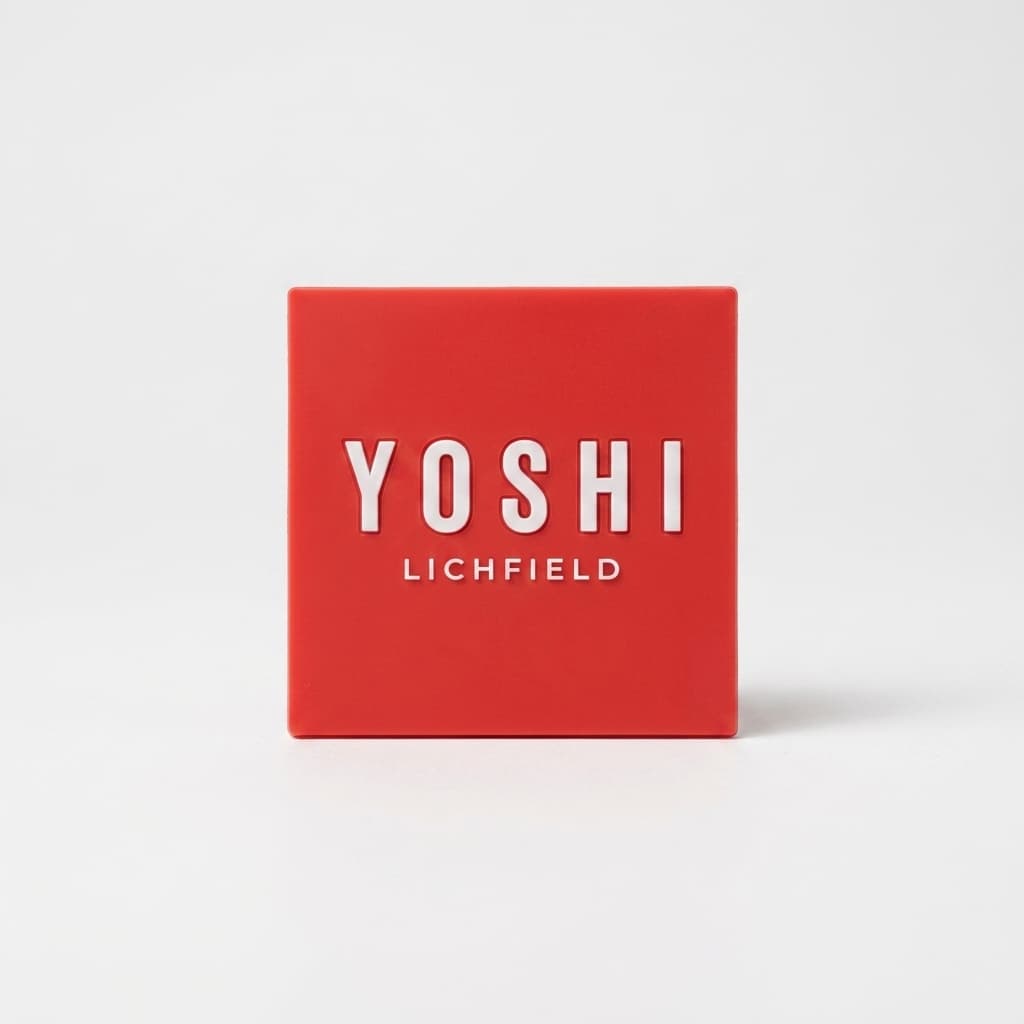
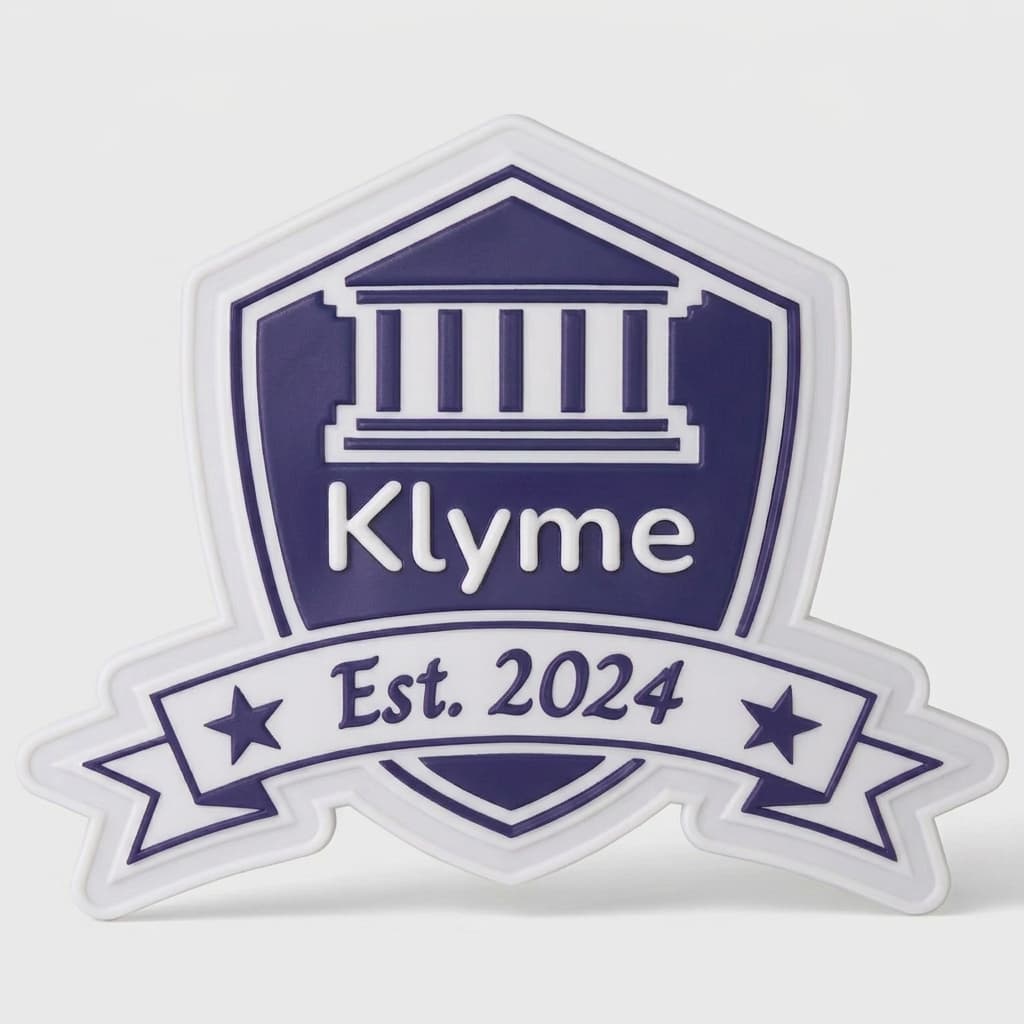
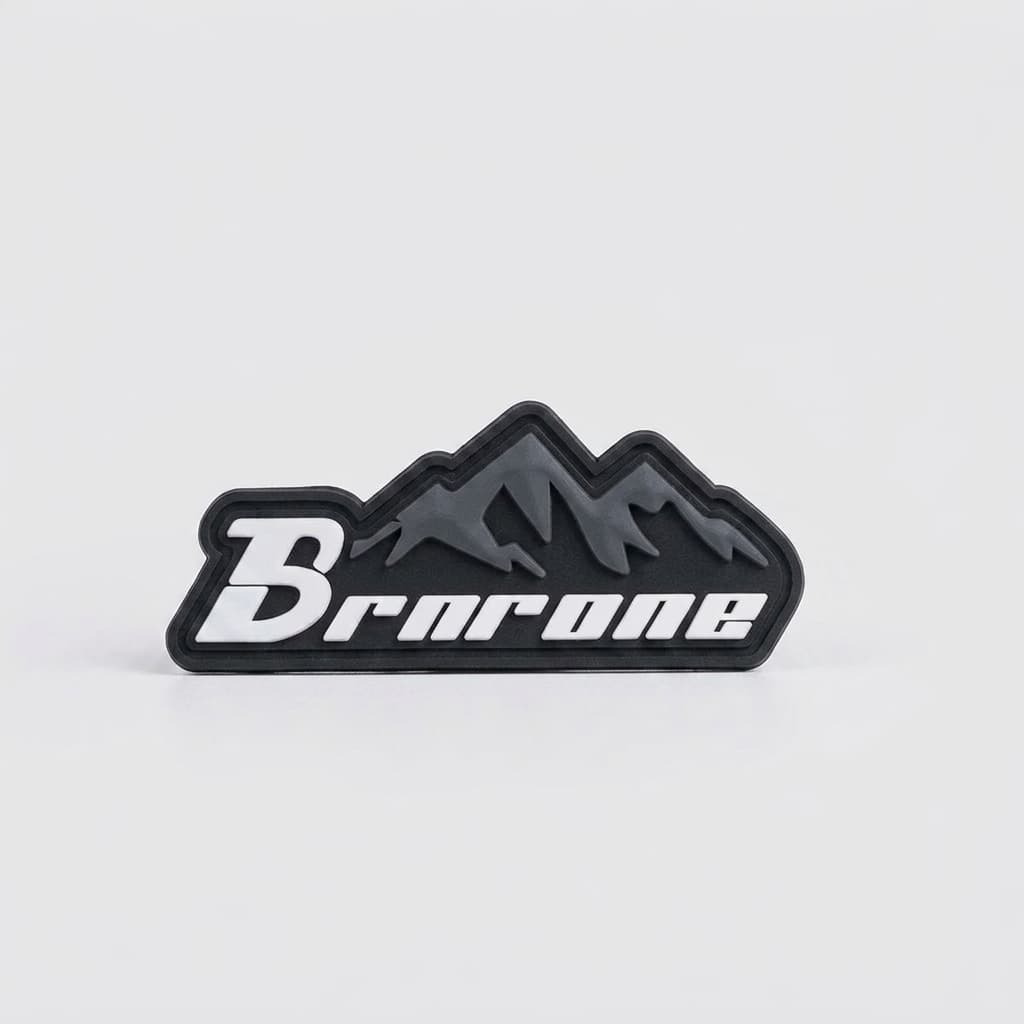
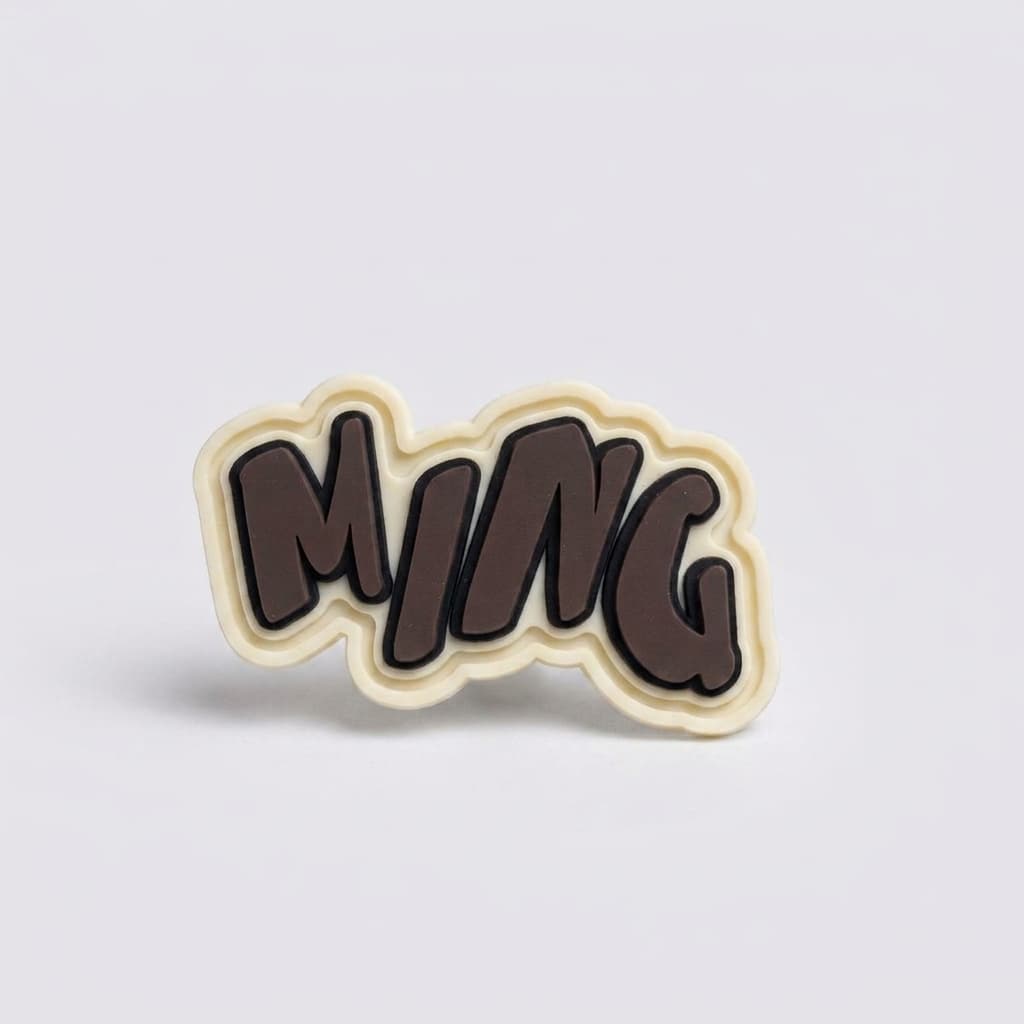
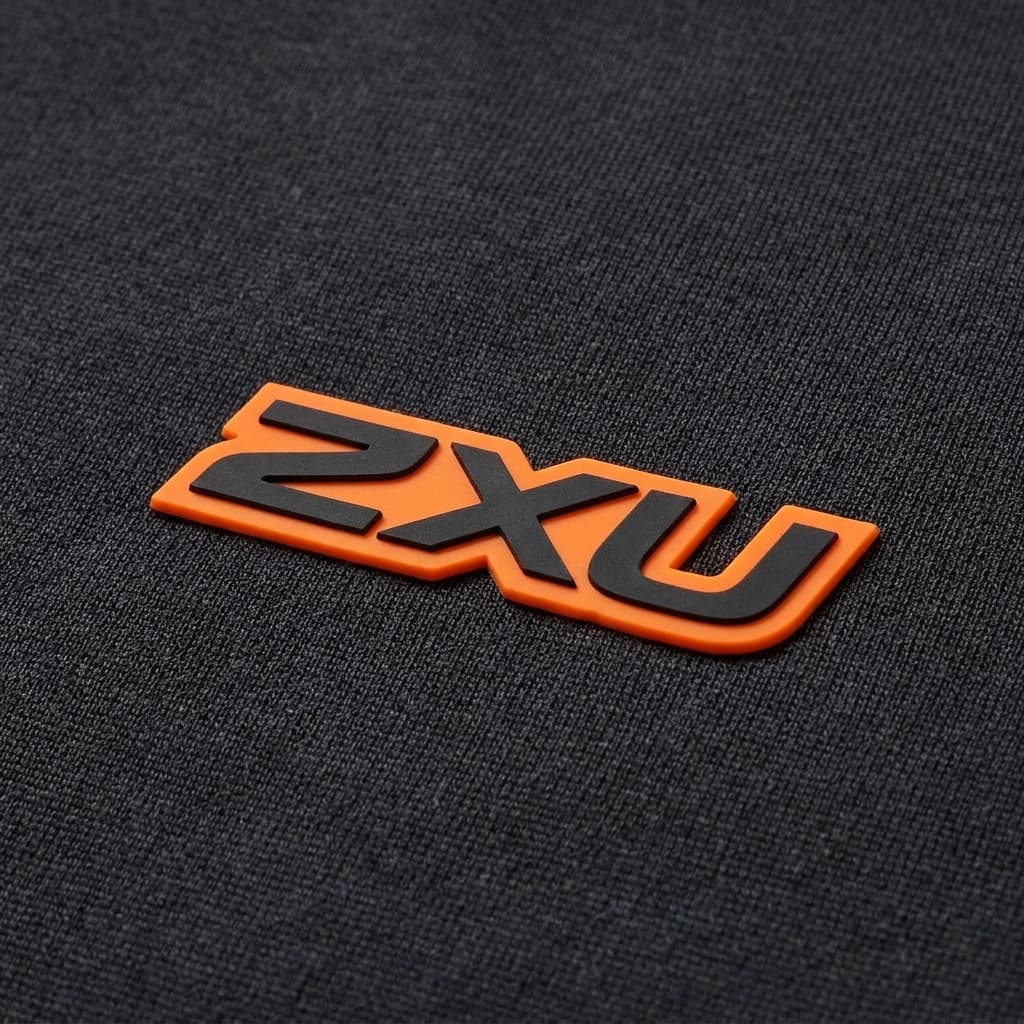
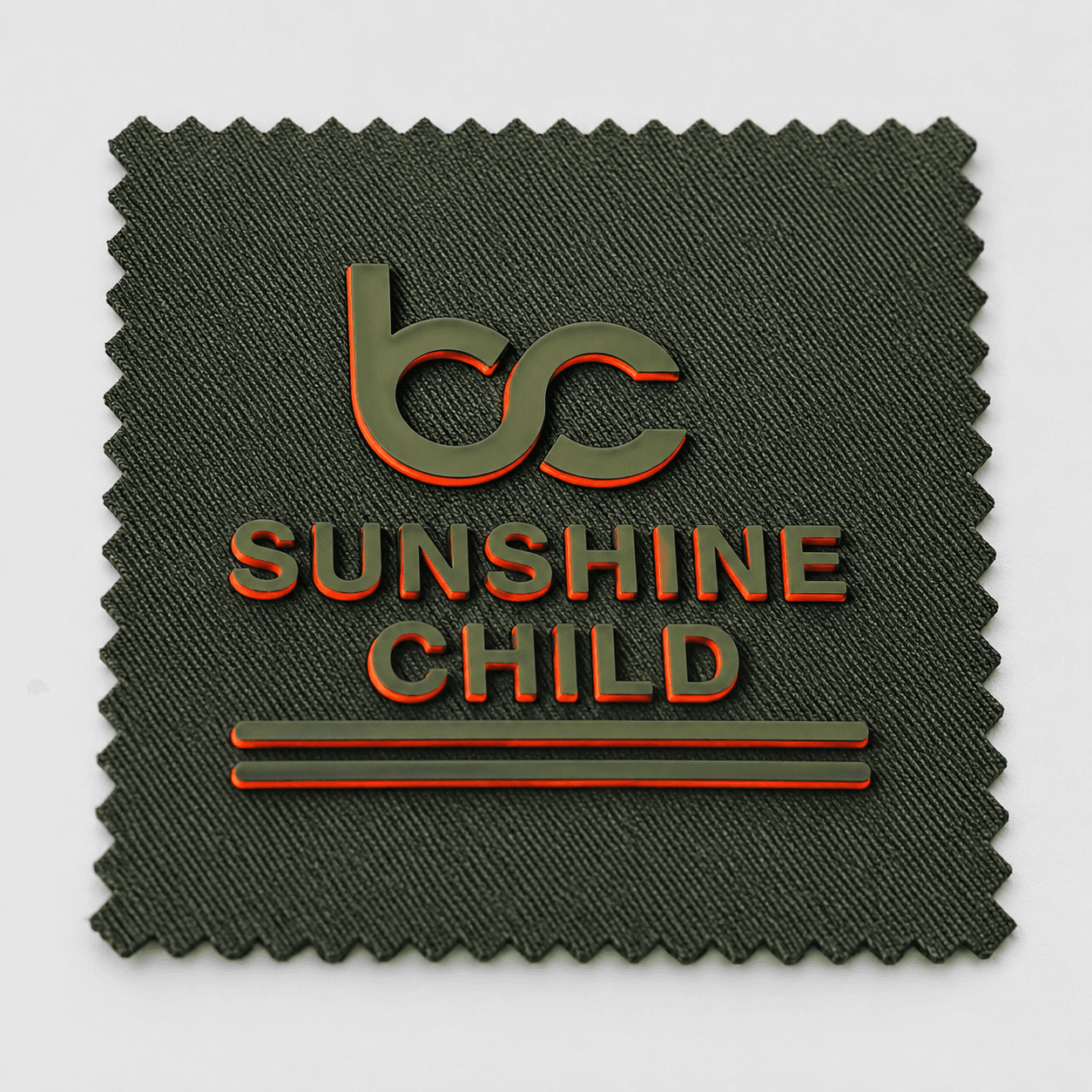
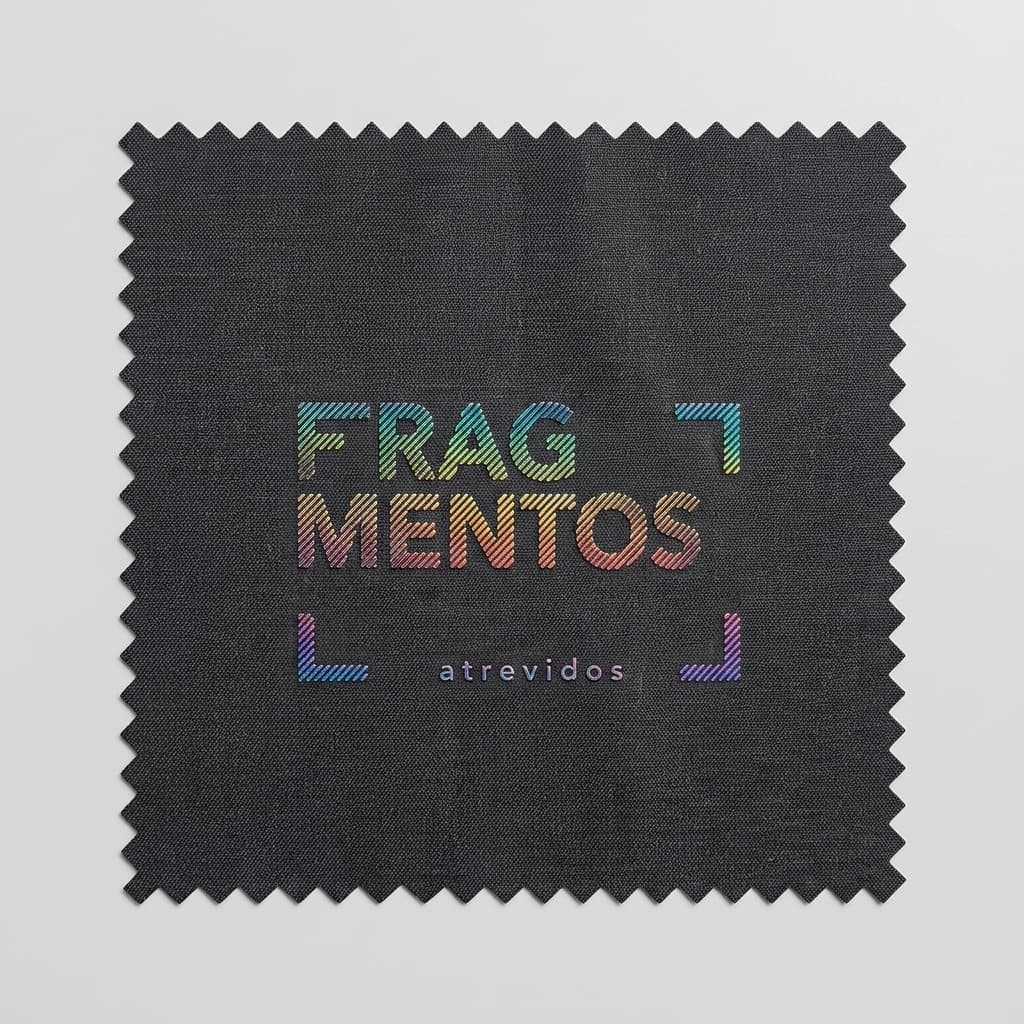
Enjoy versatility with our custom silicone patches. Sleeker than PVC, they offer effortless iron-on backing and work perfectly for basic to moderately detailed designs.
Pick your build
Enjoy versatility with our custom silicone patches. Sleeker than PVC, they offer effortless iron-on backing and work perfectly for basic to moderately detailed designs.
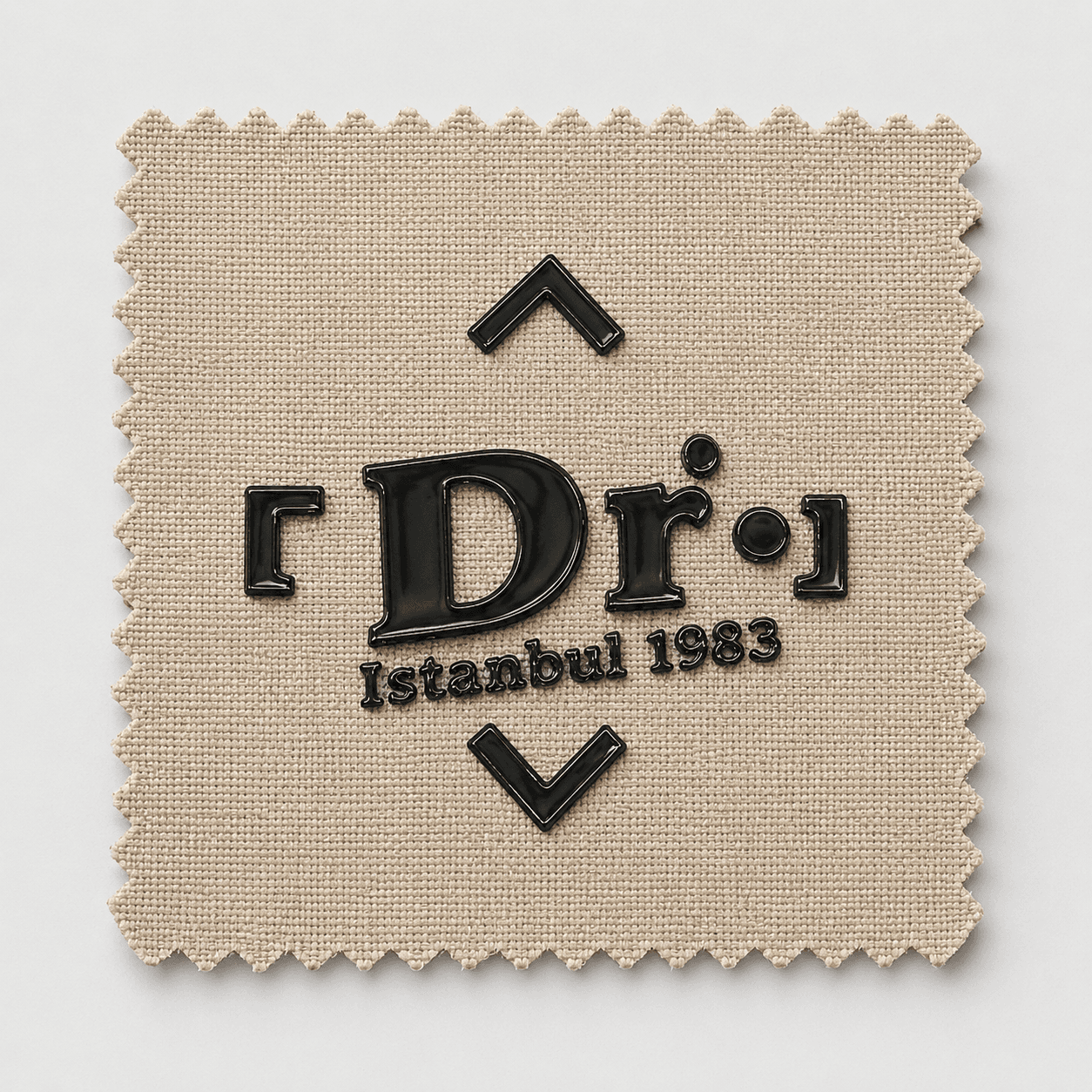
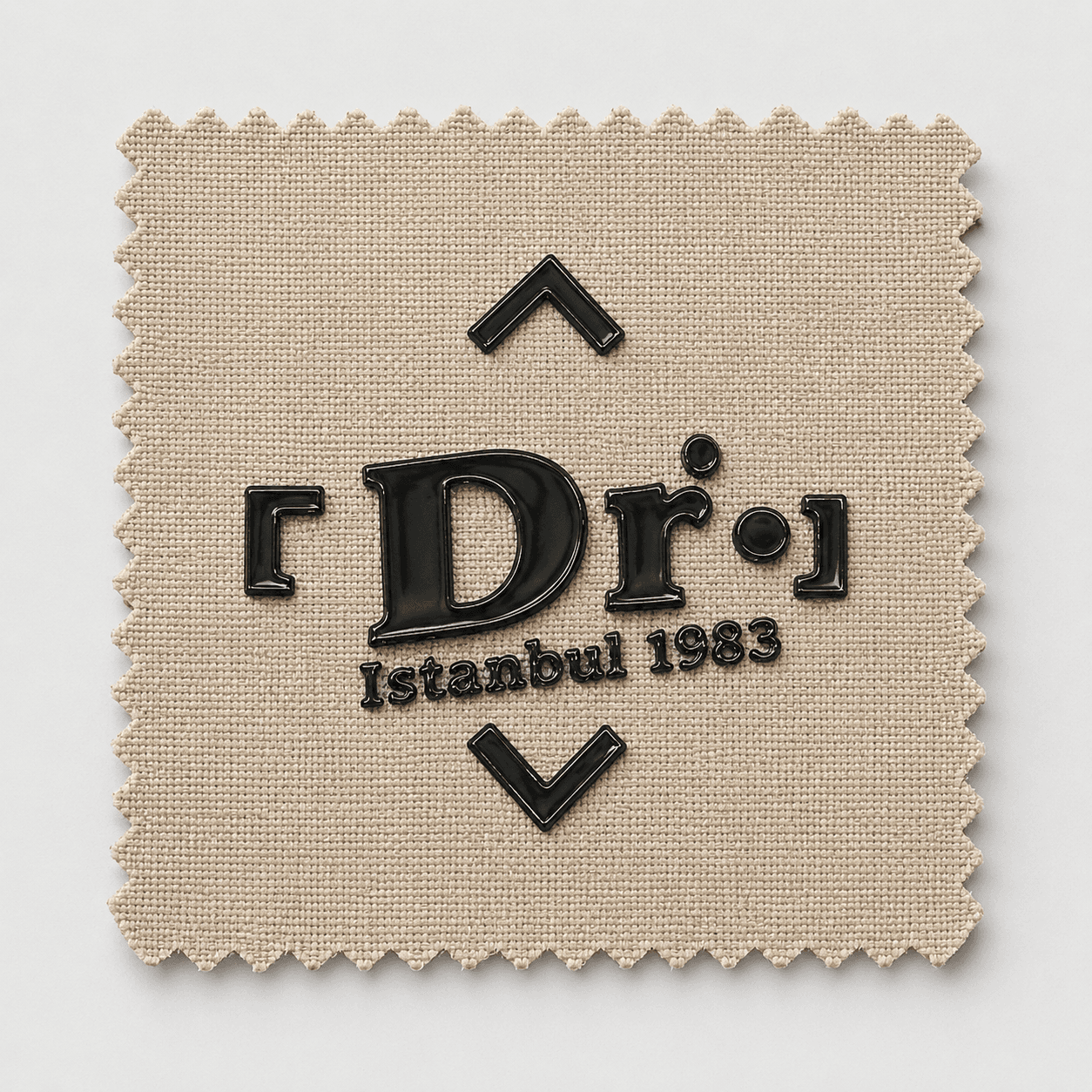
Break past conventional patch boundaries. Craft clean, standalone patches that unite into one cohesive artwork. Ideal for separated logos and detached lettering.
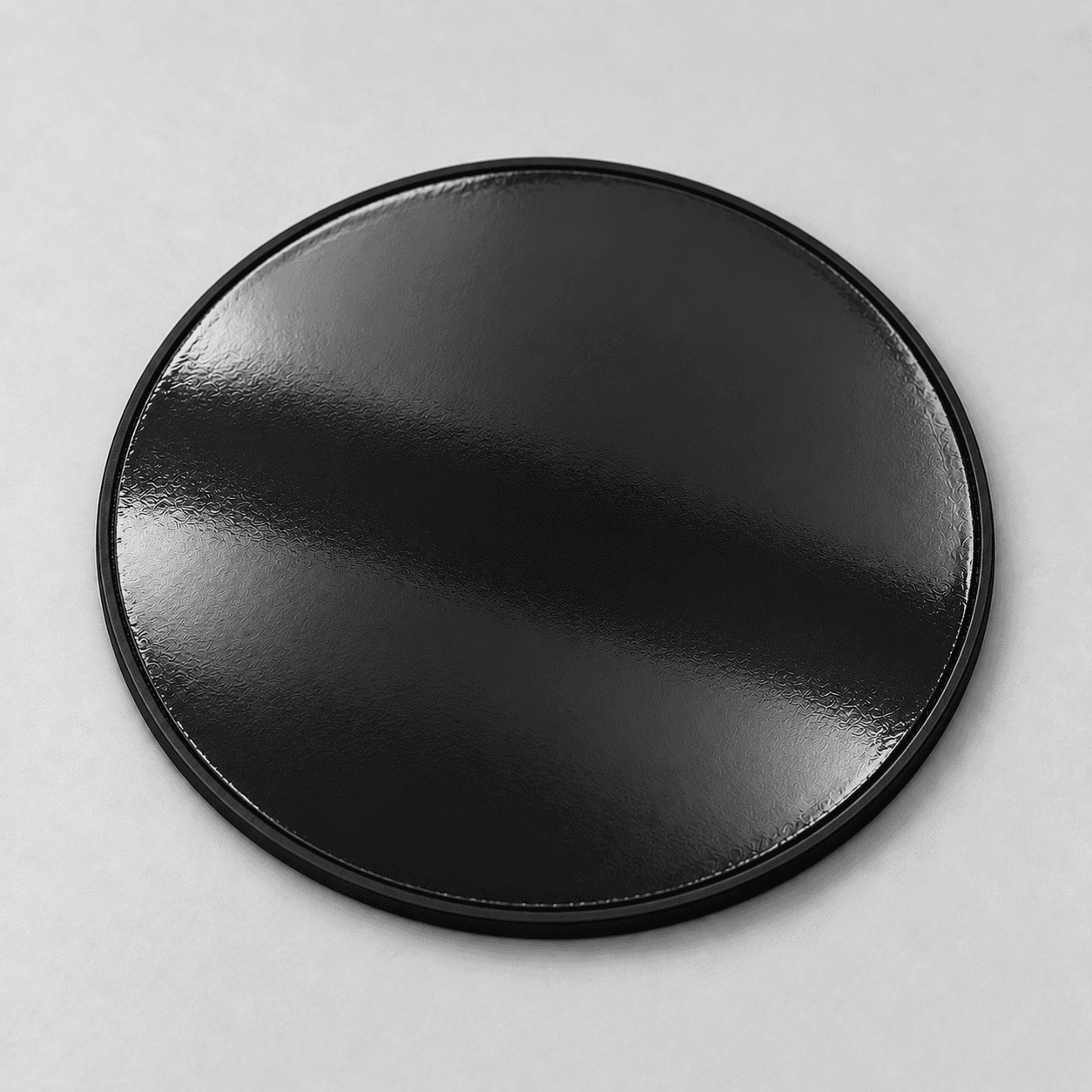
Strong, reliable heat adhesion for quick application on a wide range of fabrics.
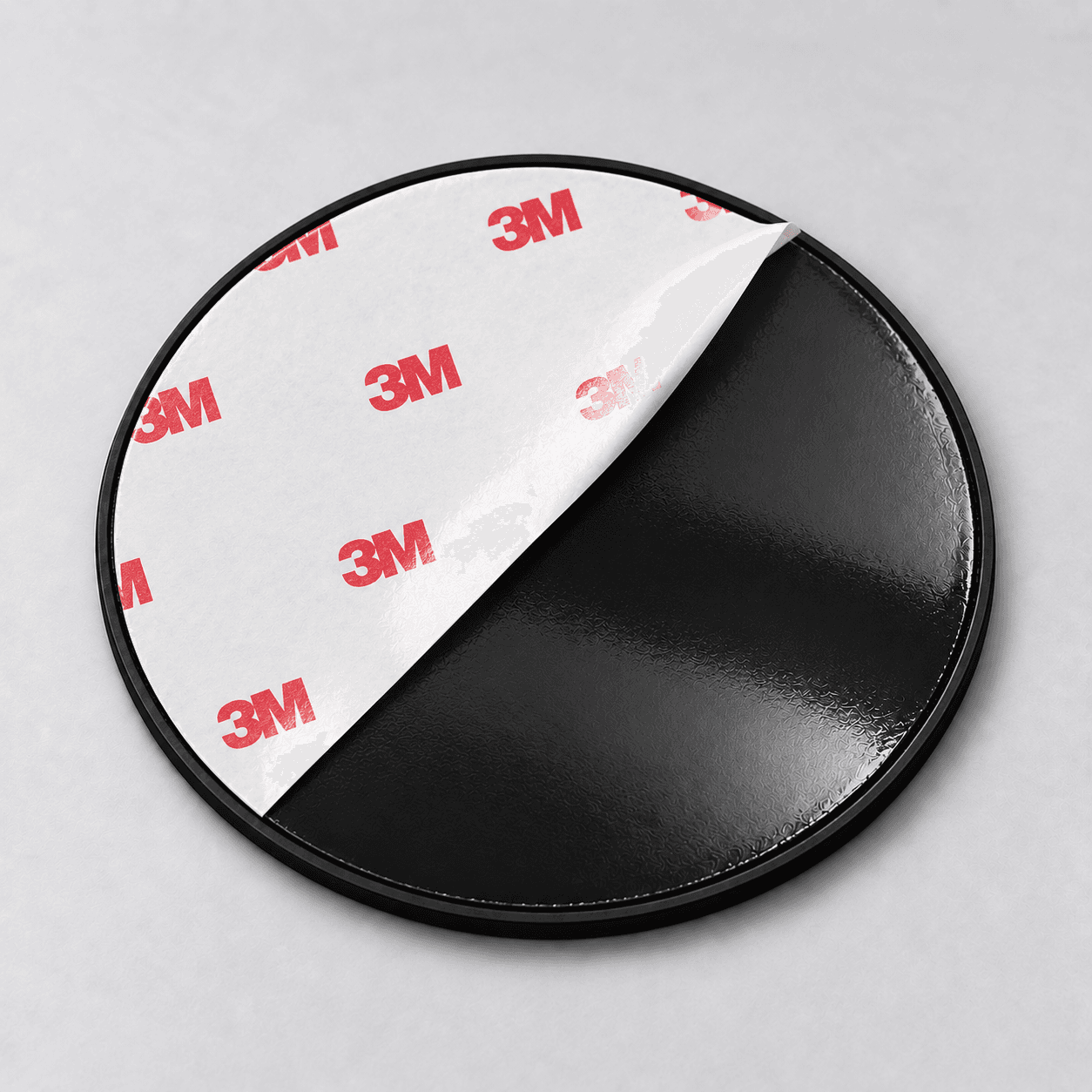
Peel-and-stick backing for temporary or light-duty placement.
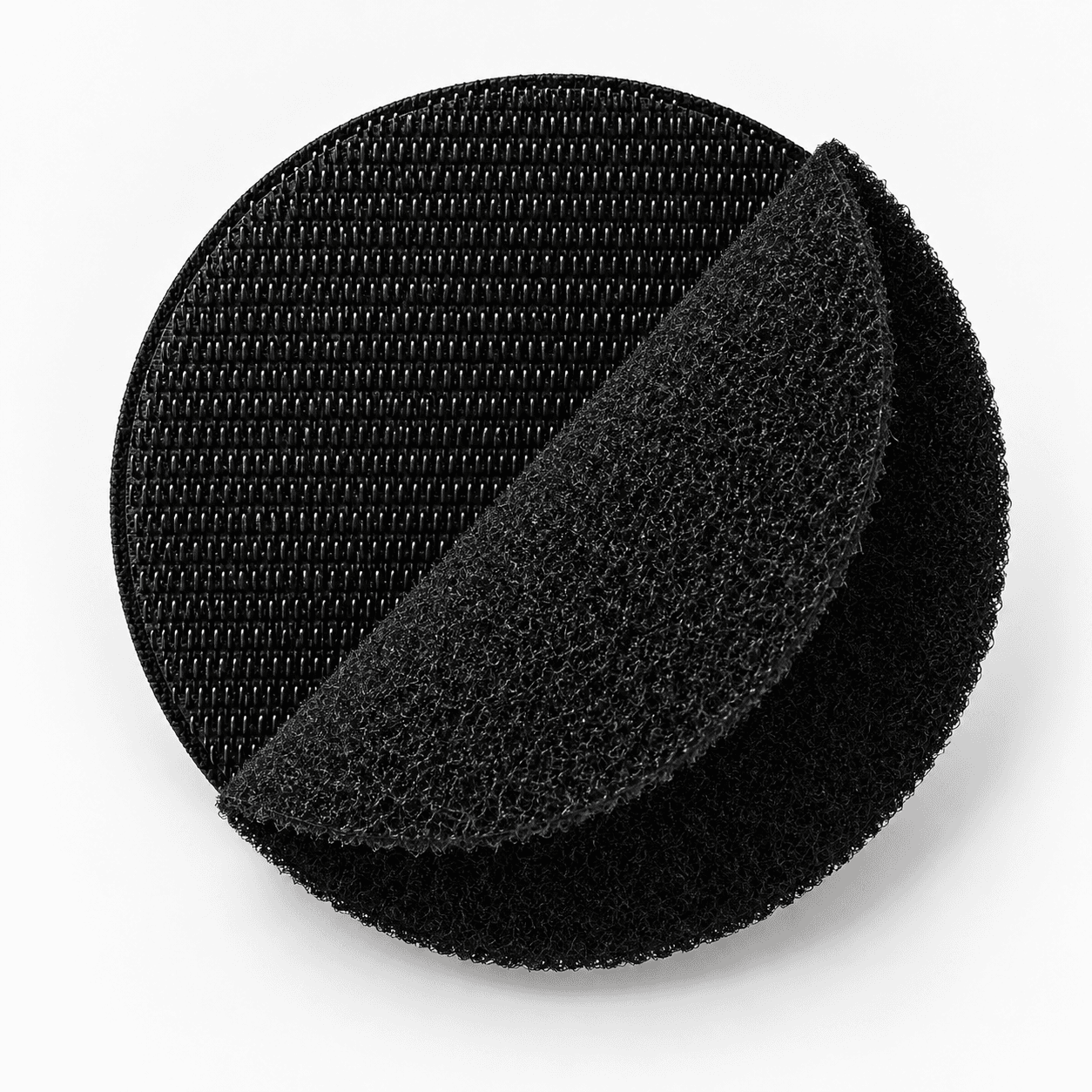
Hook and loop pair for removable, reusable attachment on gear.
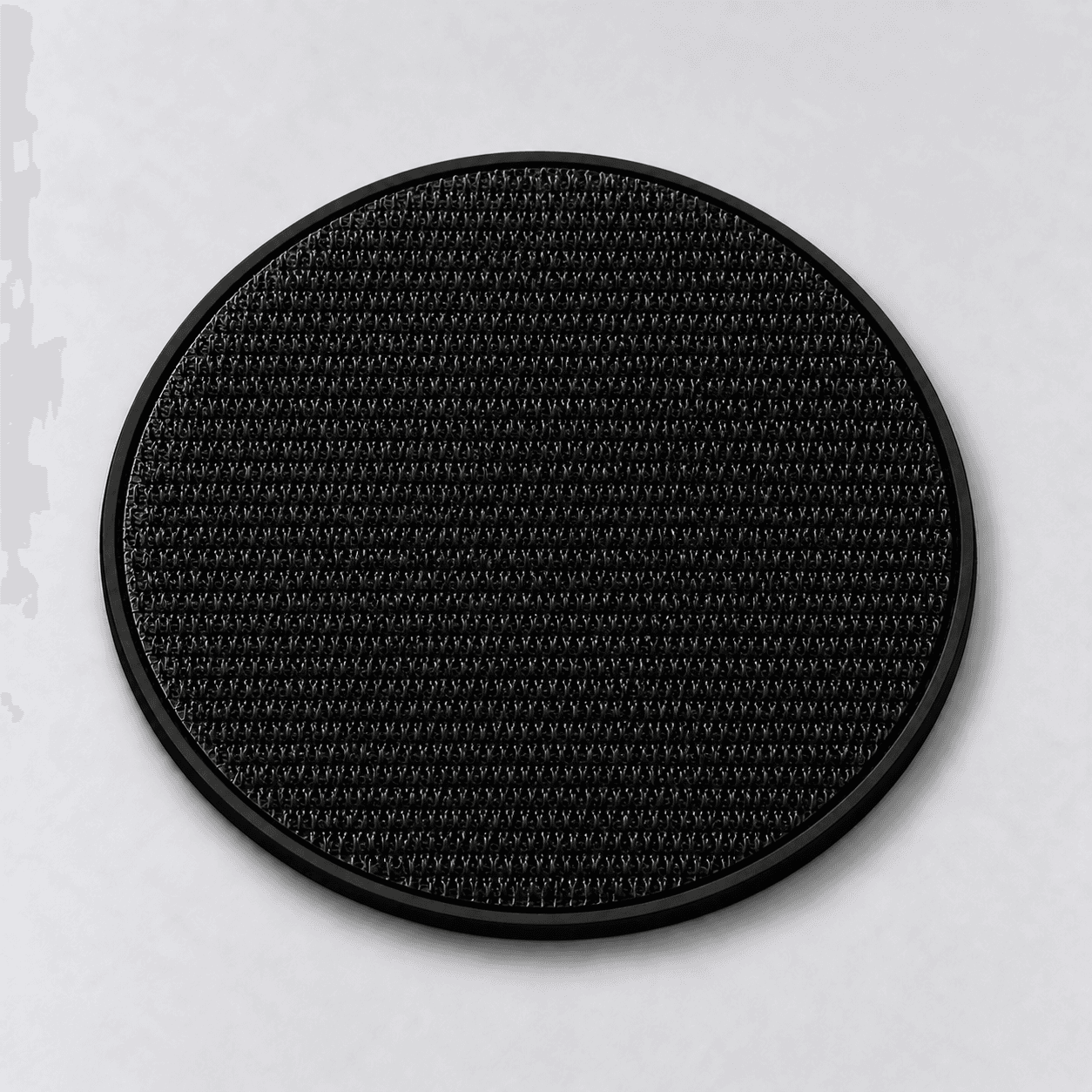
Hook-side Velcro for mating with loop panels on bags and uniforms.

Soft loop pad for pairing with hook-backed patches and IDs.

Pin-on backing for easy attach and remove without sewing.
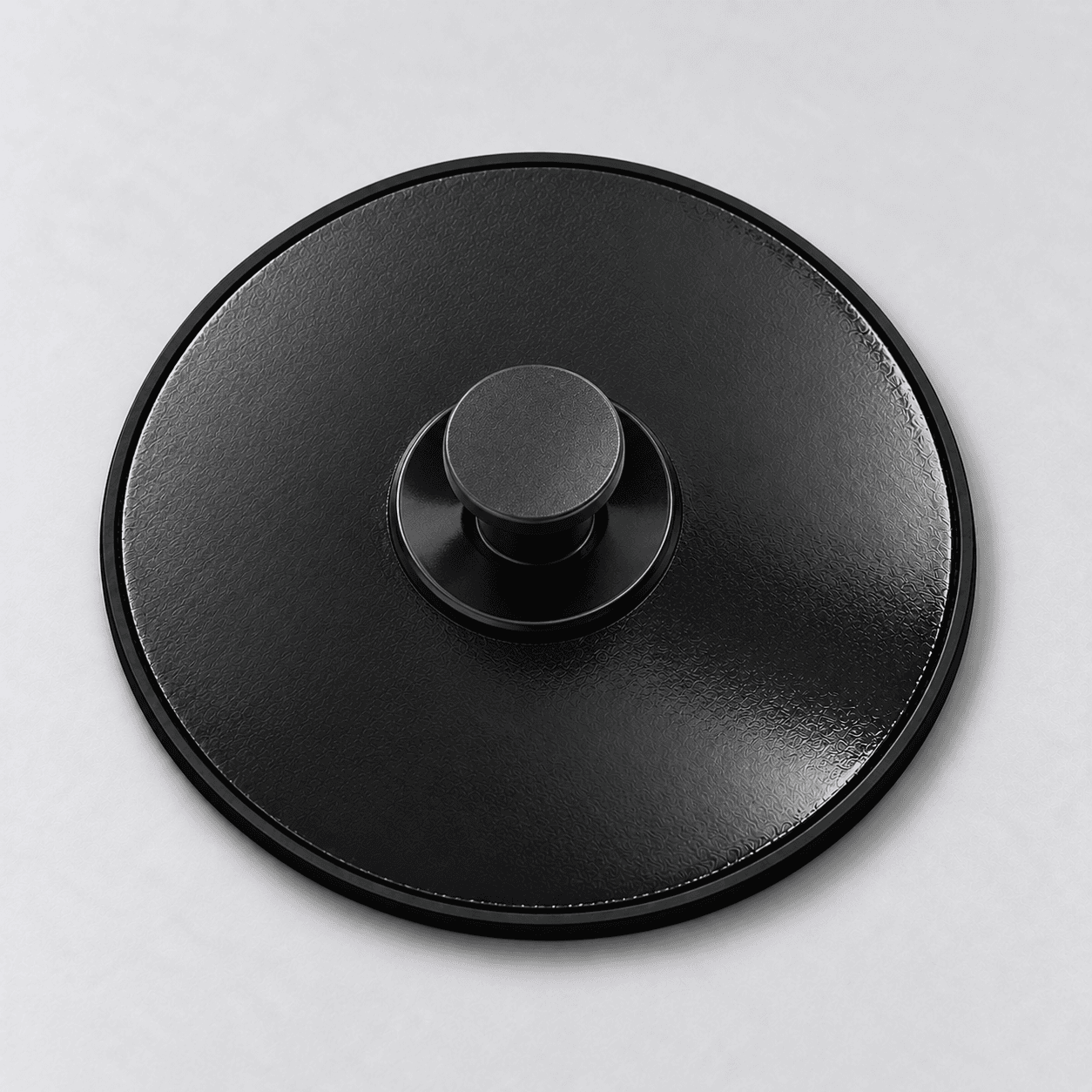
Central stud/charm mount for bags, caps, and accessories.

Clean matte reverse—ideal when you plan to sew on yourself.
While both silicone and PVC patches offer strength and pliability, each provides distinct characteristics: Silicone Patches: Light, pliable, and showcase a sleek, elevated surface. They excel at straightforward artwork and multi-piece connected logos. Silicone patches also apply seamlessly via heat-press compared to PVC. PVC Patches: Sturdier and denser, allowing them to capture complex details and fine-lined imagery. PVC patches need thermal bonding applied directly from behind.
Our custom silicone patches span anywhere from 1" up to 9" across.
Yes. Heat-seal (iron-on) silicone and PVC-style patches can be applied with a heat press. Follow the instructional guide below for temperature, pressure, and placement.
When silicone patches fail to adhere, the issue almost always traces back to insufficient heat reaching the backing adhesive, lack of pressure, or fabric surface coatings. Because silicone acts as a heat insulator, standard pressing techniques from the front often fail. Here is how to diagnose and resolve poor adhesion step by step. Troubleshooting Matrix Problem Area Root Cause Solution Edges lifting or peeling Adhesive did not melt fully; heat was blocked by silicone. Flip garment inside out and apply heat directly to the back of the fabric for 15–20 seconds with firm pressure. Patch peels off after cooling Pressure was too light, or adhesive didn't integrate into fabric fibers. Increase press pressure to Medium-High (50 PSI). Avoid soft surfaces (like ironing boards); use a hard flat table. Patch won't stick at all Fabric has waterproof/silicone coatings, or uses heat-sensitive synthetic fibers. Test an un-coated cotton fabric. For coated fabrics, switch to a low-temp adhesive or stitch around the perimeter. Adhesive oozing out sides Temperature was too high or time was too long. Drop heat by 10°F–15°F and reduce duration by 3–5 seconds. Step-by-Step Fix for Loose Patches Re-Heat From the Back (Back-Heating Method) Turn the garment inside out. Apply direct heat to the backside of the fabric directly under the patch at 310°F – 320°F (155°C – 160°C) for 15 to 20 seconds. Why this works: Silicone shields heat from the top, preventing the glue from reaching melting temperature. Heating from behind transfers thermal energy straight to the adhesive layer. Increase Physical Downward Pressure If using a home iron, place the garment on a hard, solid surface (like a wooden table or cutting board covered with a thin towel) rather than a padded ironing board. Lean your full body weight directly onto the iron without sliding it around. Allow a Full Cold Peel/Cooling Period Do not touch, flex, or test the edges of the patch while it is warm. Thermal adhesives rely on cooling t
Submit Artwork: Send us your design or logo. Digital Proof: Review your customized digital mockup. Refine & Approve: Request adjustments or approve the layout. Physical Sample: Inspect a sample patch for final sign-off. Production & Delivery: We manufacture and ship your full order